DA35 — Triangulation: May–July Rent Payments

Comparative analysis across three independent data streams: bank records, contemporaneous messages, and court/counsel filings. Conflict tags highlight forensic contradictions material to fraud.

May 2024 — Payment #1 (Start of New Term)

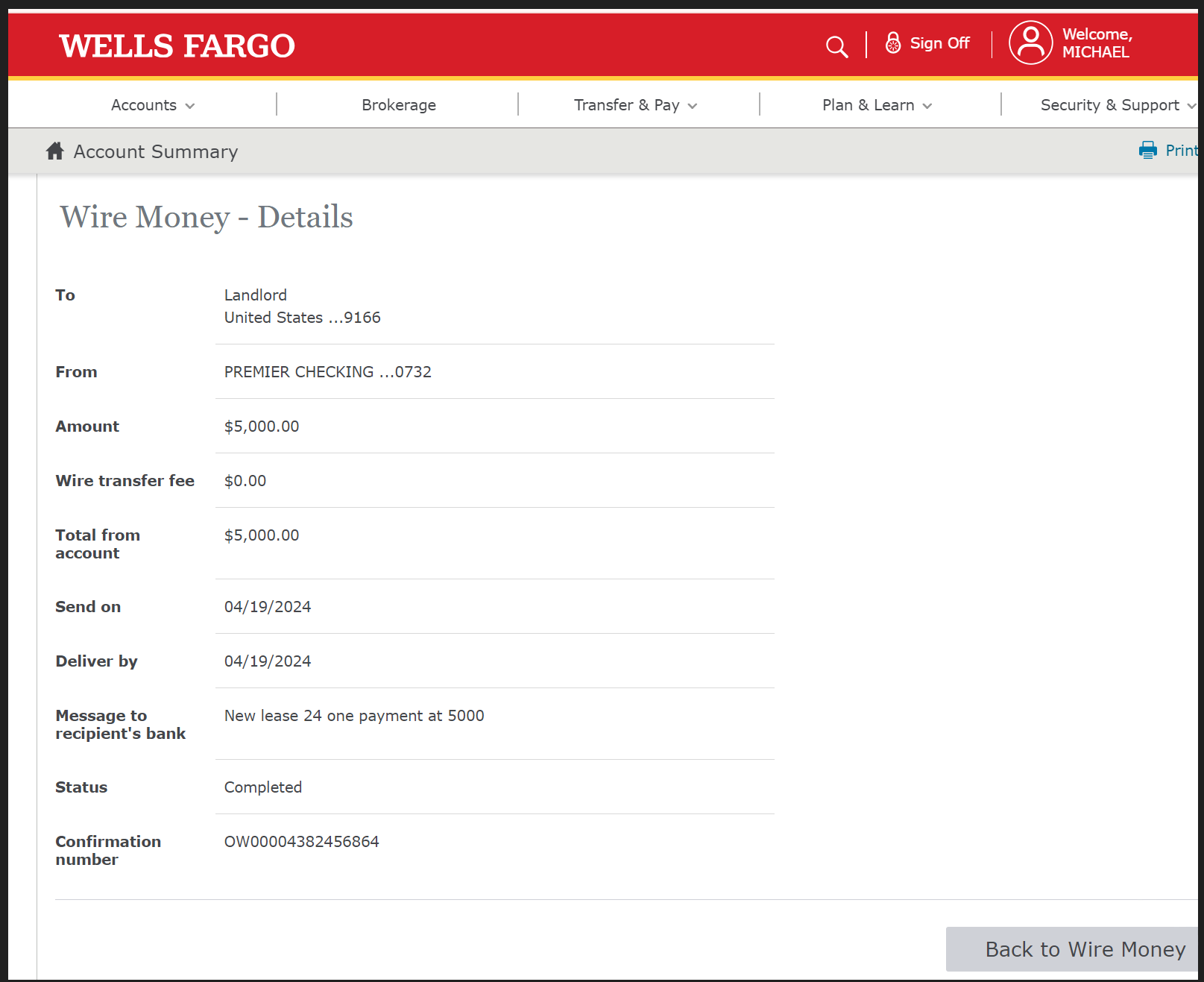
Bank Proof

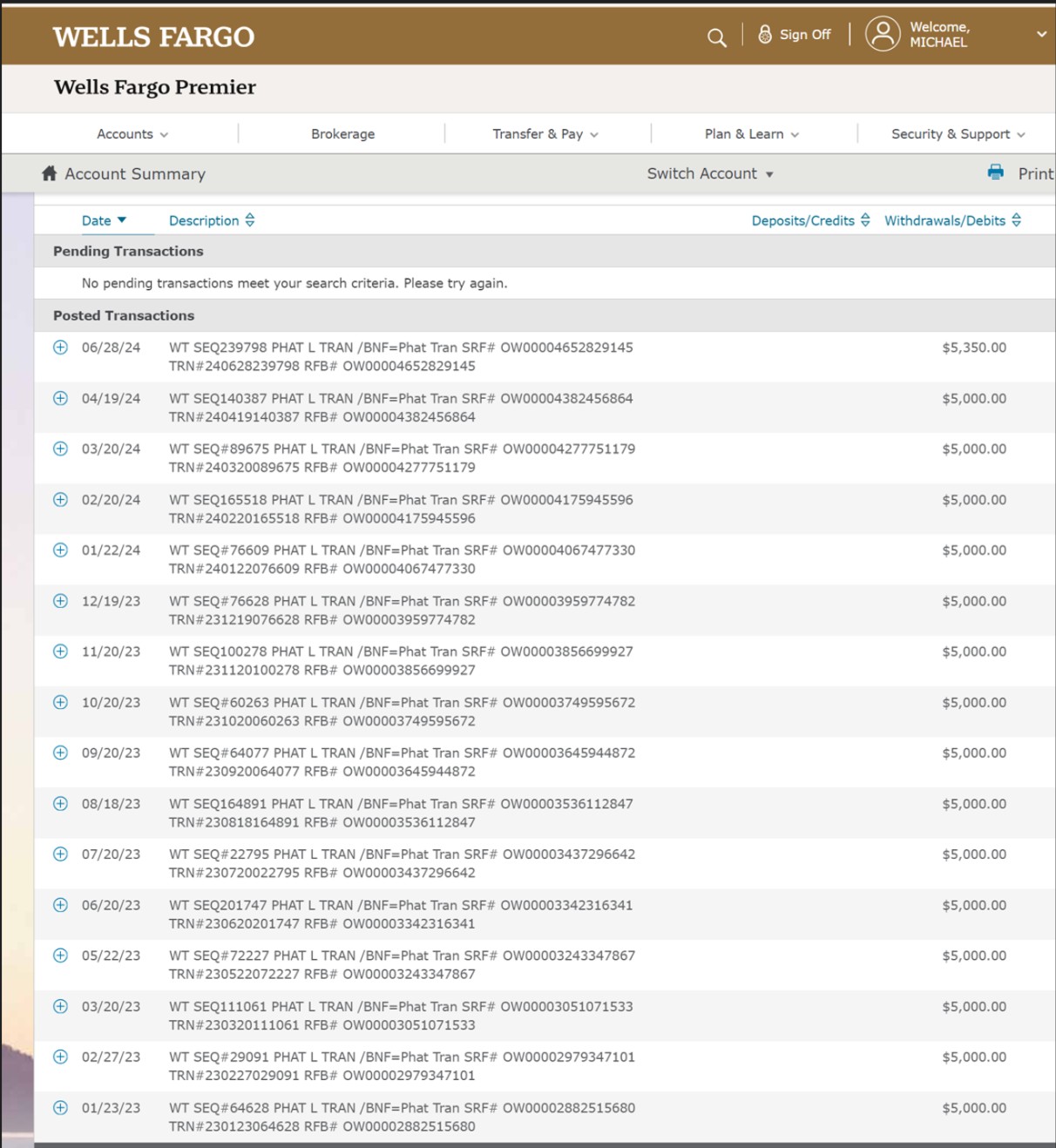
Bank statement May

Transaction activity confirming May rent initiated and posted. Owner text: “We want to keep you” following March 2024 negotiations.

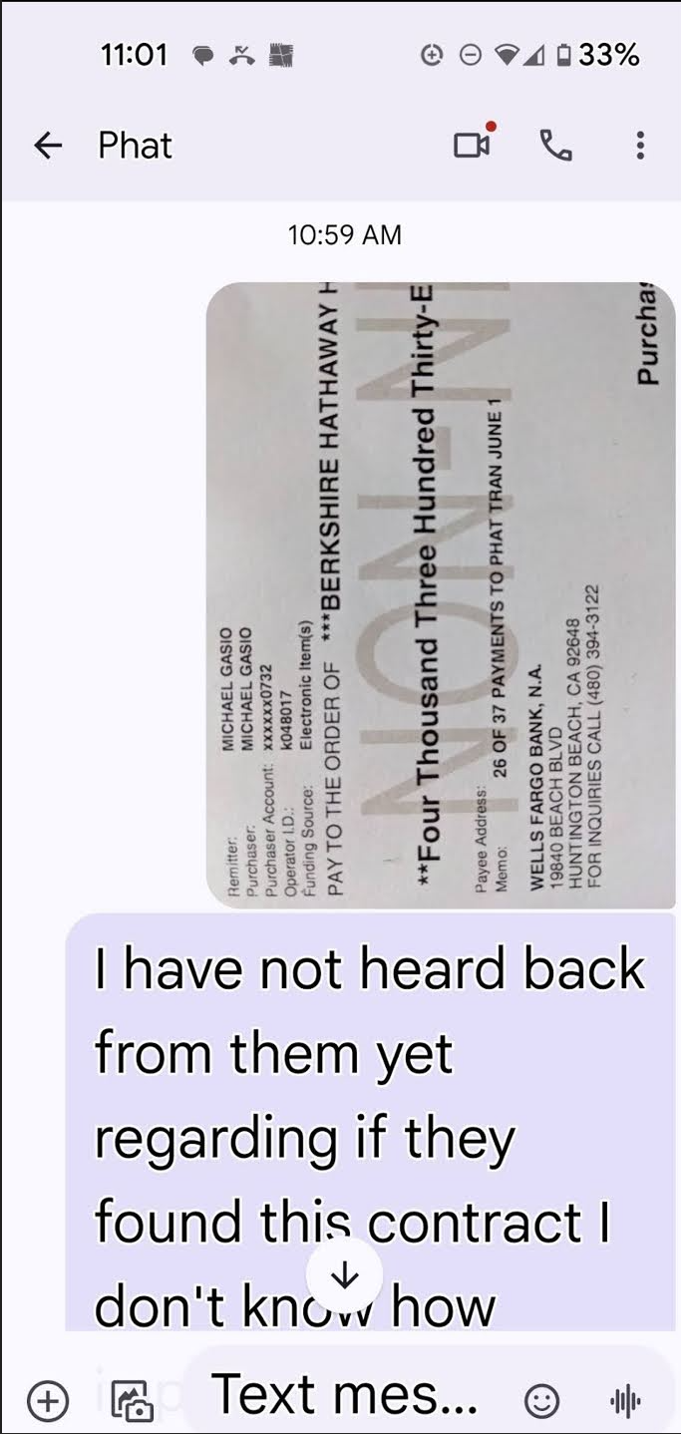
Texts / Emails

Owner/agent confirmation in May Owner/agent acknowledgement by text — payment made; May begins Year 3 with three tenants documented.
Court / Counsel Statements

Court filing/excerpt May
Conflict: BANK SHOWS PAYMENT ↔ COURT CLAIMS NON-PAYMENT. Judge had receipt (“Hanson has the check”). June/July payments never returned by Berkshire. Contract month 38 validated.

June 2024 — Payment #2

June payment proof

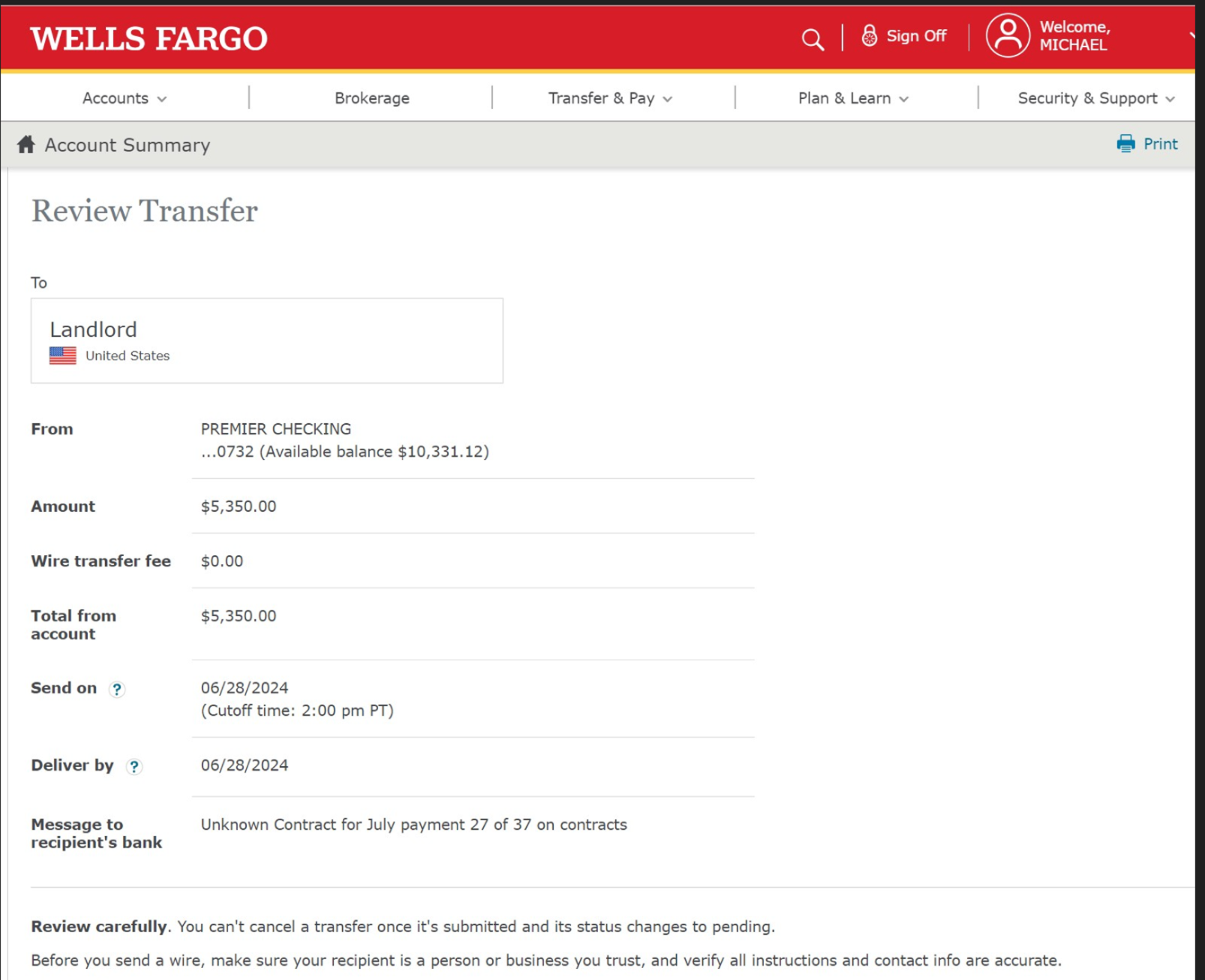
July 2024 — Payment #3 (Check / Return Handling)

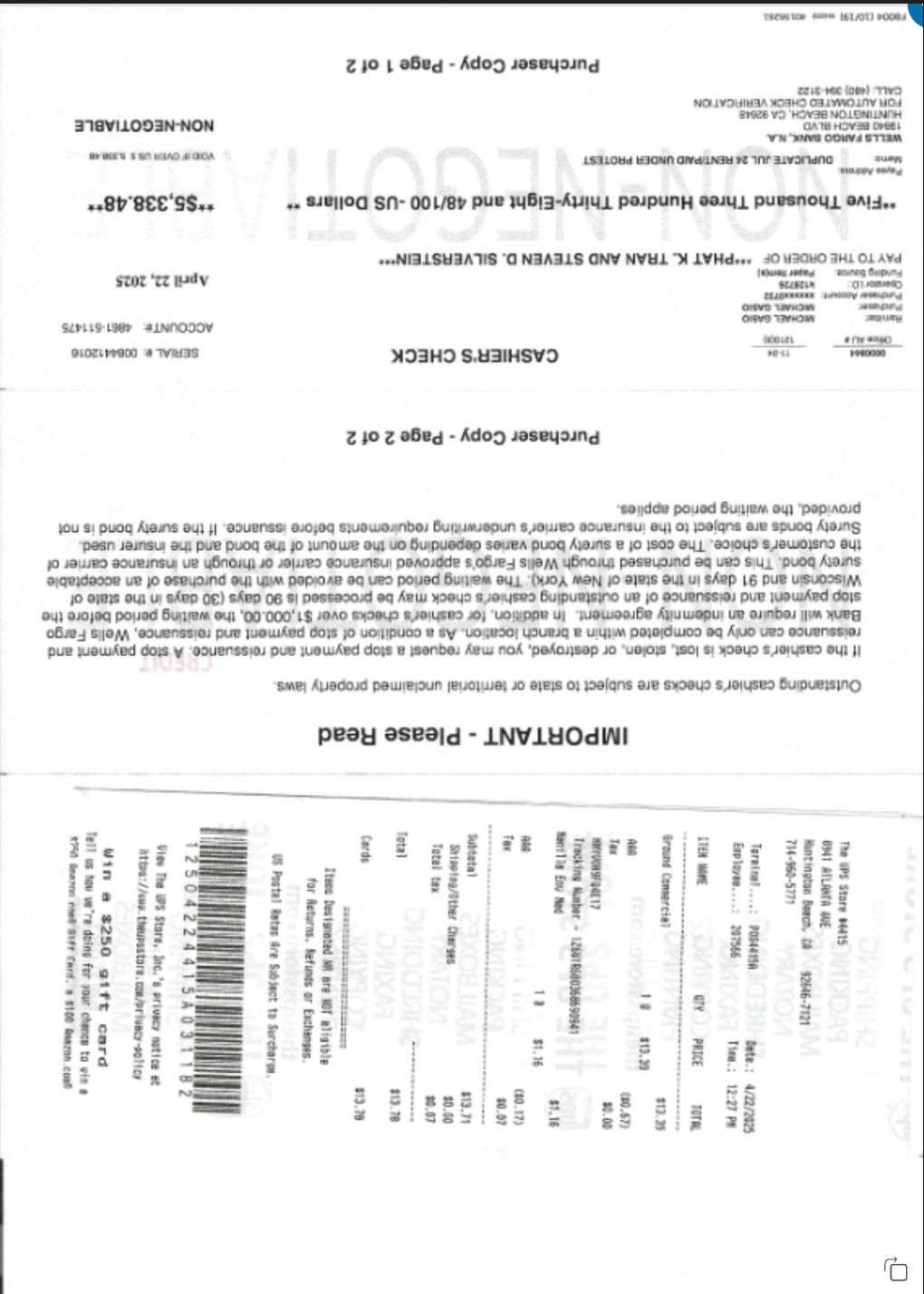
Bank Proof — Funds Never Returned by Dr. Phat Luu Ky Tran

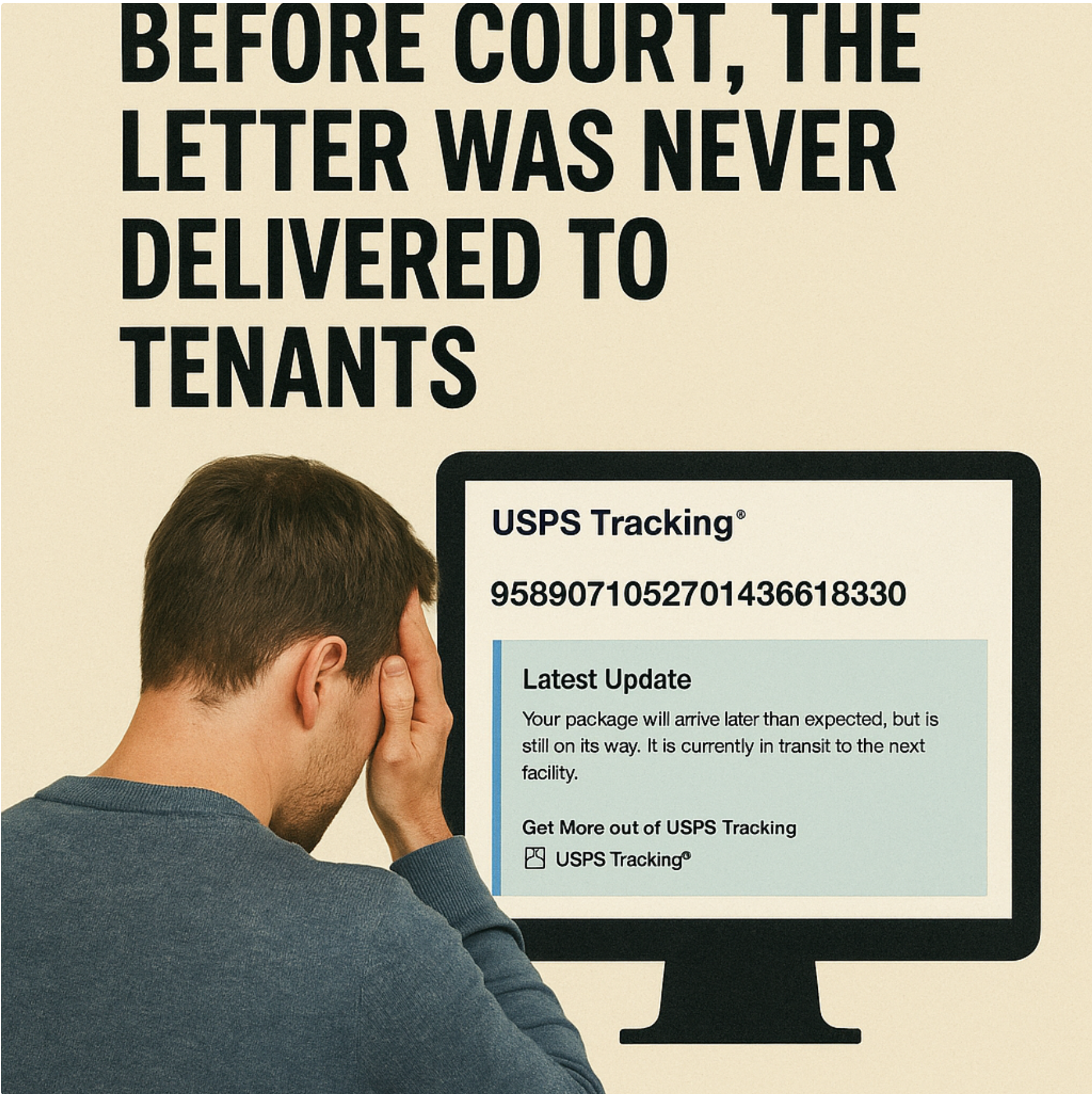
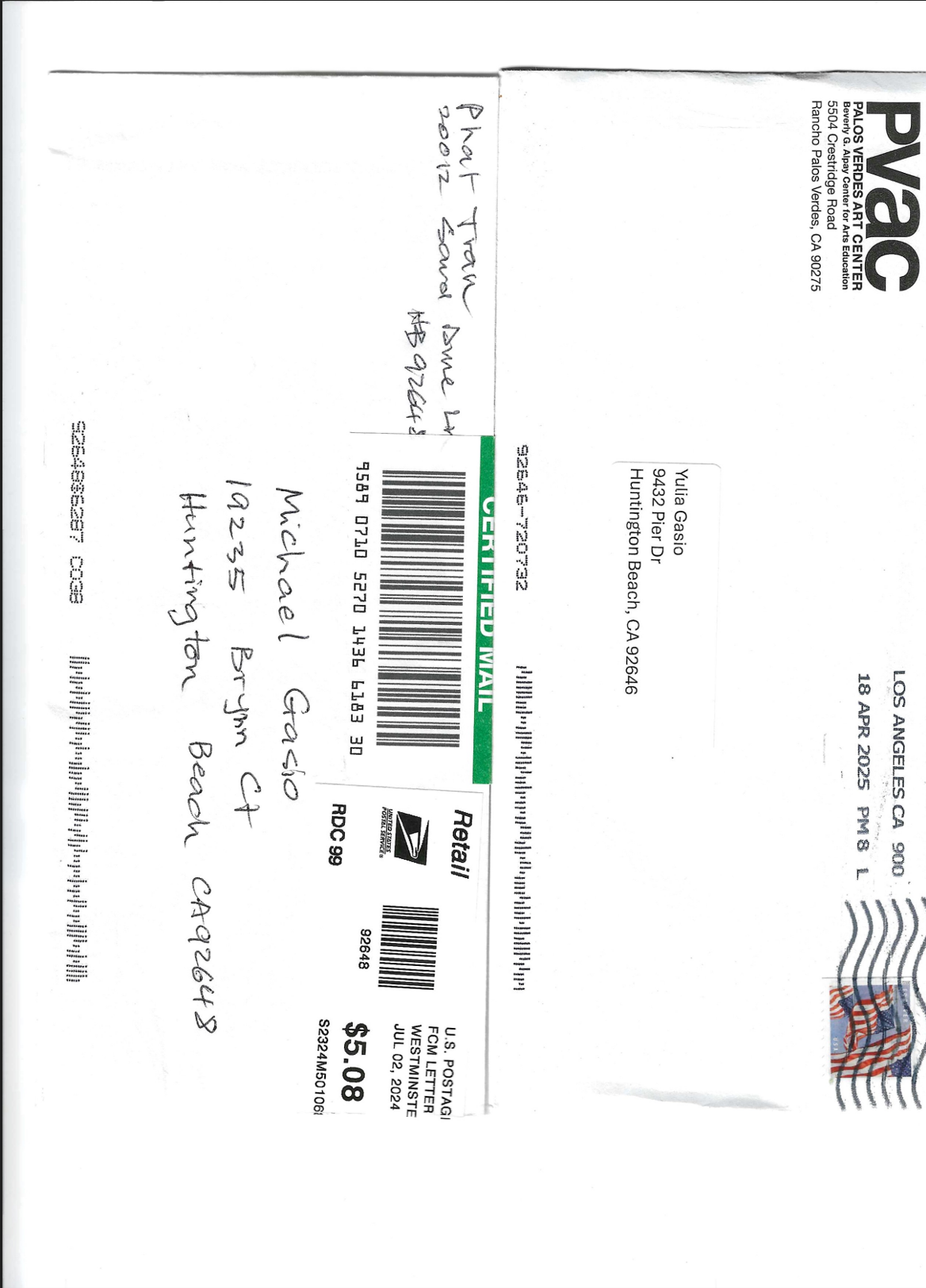
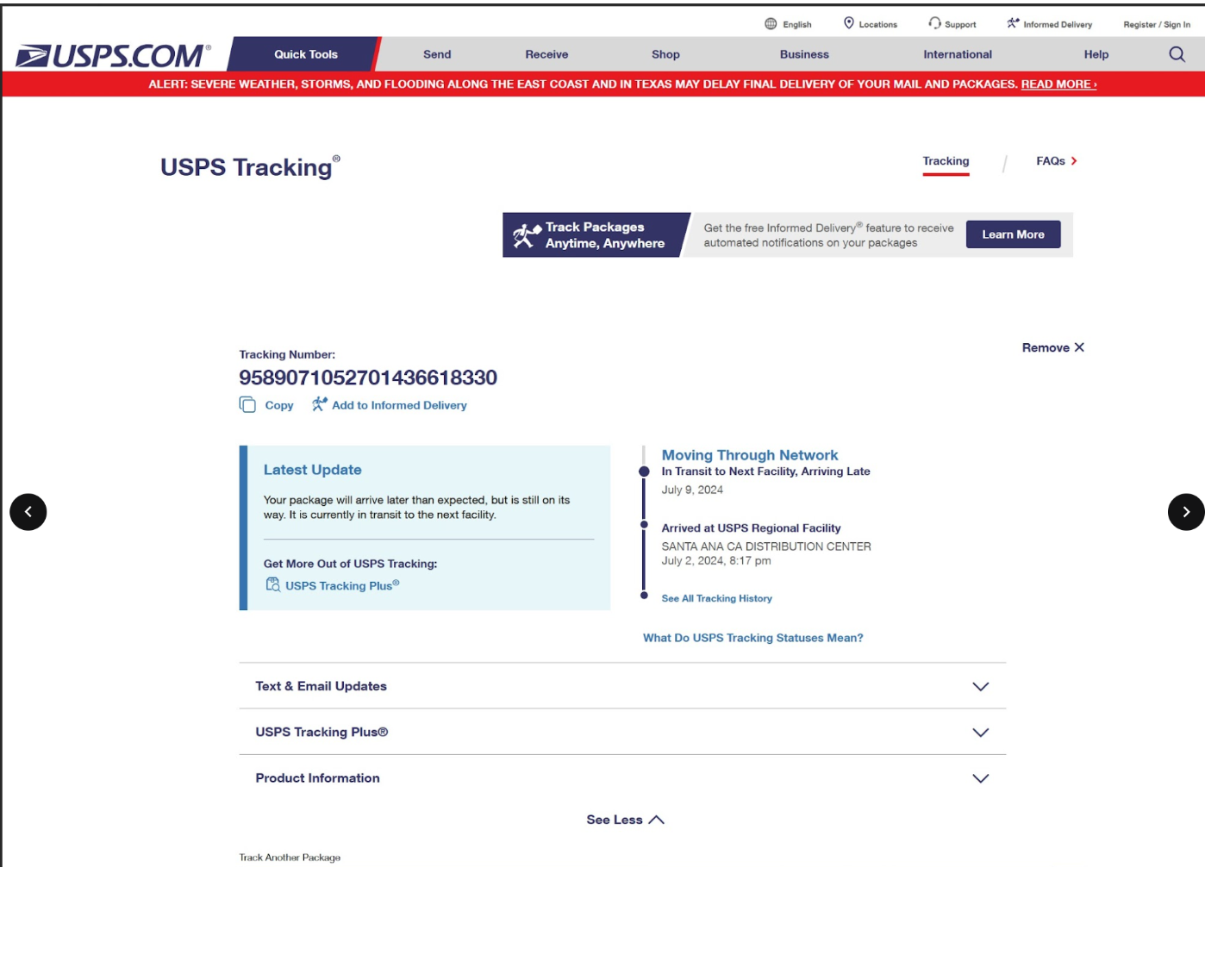
Postal imaging + USPS/Wells Fargo tracking: e-deposit never returned to tenants. Owner stated he returend the e funds post office recipt showed “lost in the mail.”

Texts / Emails

Delivery + handling exchanges. All payments early except coerced June hand-off to Hanson Le.

Court / Counsel Statements

Conflict: FUNDS TENDERED JUNE 28 FOR JULY ↔ COURT CLAIMS “RETURNED / TOO LATE.” Move-out document shows admitted rent is $5,000/month.

Legal Analysis — Three Criminal Counts Triggered by May–July Events

1. WIRE FRAUD — Federal (18 U.S.C. §1343)

Elements met in this evidence set:

  • Transmission by wire: All rent payments were electronic e-checks processed through Wells Fargo with interstate routing.
  • Scheme to defraud: Owner and agent accepted payments, acknowledged receipt by text, concealed funds, and later claimed “unpaid”.
  • Material false statements: Court representation that payments “never arrived” despite existing bank logs, USPS imaging, and the owner's own texts.
  • Intent to obtain money/property: Forced new payments, coerced payment outside contract, and leveraged falsified arrears in eviction filings.

Evidence: T28a–c, pt3.png, 1085.png, court contradictions, owner texts “Hanson has the check”.

2. BANK INSTRUMENT FRAUD — Federal (18 U.S.C. §1344)

Elements satisfied:

  • Executing a scheme to obtain funds under custody of a financial institution: Rent payments routed to the Wells Fargo trust account and Berkshire’s registered business address.
  • False pretenses relating to the handling of checks: Owner asserted “returned” or “lost” funds despite no return and no refund by Wells Fargo or USPS.
  • Concealment of a bank instrument: July payment never returned, never cashed, never claimed; concealed to create the appearance of tenant default.
  • Use of falsified account narratives: Storyline of “late”, “lost”, “not delivered” contradicted by certified-mail timestamps and owner’s written acknowledgment.

Evidence: Wells Fargo logs, USPS imaging, T28-series, bank statement screenshots, move-out notice.

3. EXTORTION — California Penal Code §518 / §522 / §523

How the elements are met:

  • Obtaining property by wrongful threat: Owner imposed unlawful payment deadlines (20th of prior month) outside contract terms.
  • Coercion under color of authority: Threats of late fees, negative credit, and immediate eviction despite early payments.
  • Demanding payment into a private bank account: Third-party male driving onto the lawn directing payment to owner’s personal account — outside any lease or trust account.
  • Use of fraudulent documents: 3-day notice unsigned and tied to an “unknown contract” (DA evidence), used to compel payment.

Evidence: T28-series, extortion encounter, owner’s coercive text pattern, 3-day notice defects, payment sequencing April–July.

Summary: The May–July payment stream shows a coordinated pathway where electronic funds were sent, acknowledged, concealed, and then re-labeled as “unpaid” to secure a fraudulent eviction and extract additional payments. These acts collectively trigger Federal Wire Fraud (18 U.S.C. §1343), Bank Instrument Fraud (18 U.S.C. §1344), and California Extortion (§518–523).